Weave
ConceptClothing designClothing, treated the way this site treats everything: designed, specified, produced, recorded. The first line is FRØYA: women’s golf wear from an Oslo atelier, made in one numbered edition of 300.
A new shelf, opened for work already underway: documentation lands here as it is ready. Moduloa’s active build is Manufacturing.
Weave is Moduloa’s clothing shelf: garments as designed, specified, produced things with a record behind them, pattern, material, batch, and the decisions that shaped each one.
FRØYA
Women’s golf wear, made in one numbered edition, from an Oslo atelier. In development: the AW26 programme is specified and the maker is being chosen.
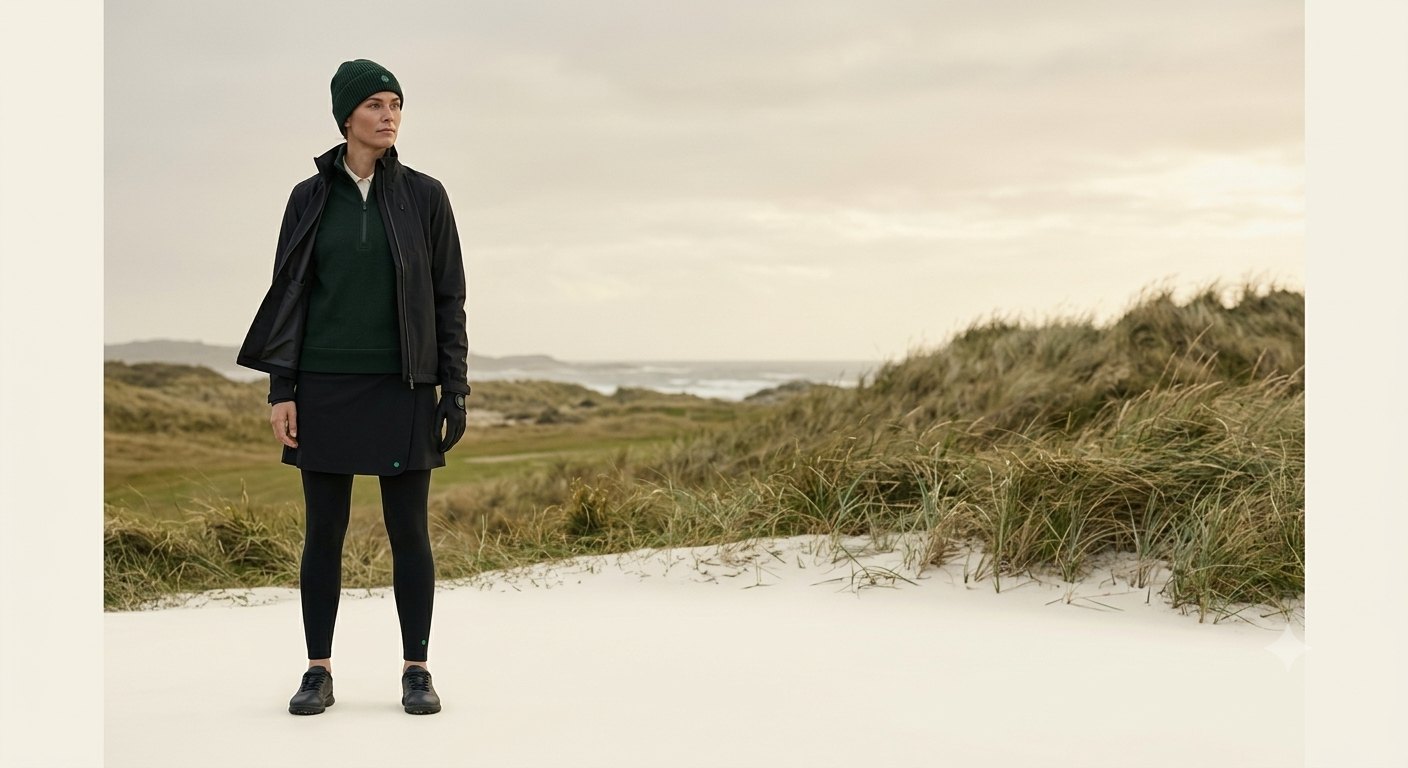
FRØYA dresses the woman who owns the course, and she does not get a men’s programme shrunk and re-coloured. That sentence is the whole brief. Women’s golf clothing is routinely a size-graded, re-coloured afterthought of a men’s line; FRØYA starts from her, from the weather she actually plays in, and from cloth chosen on its test report.
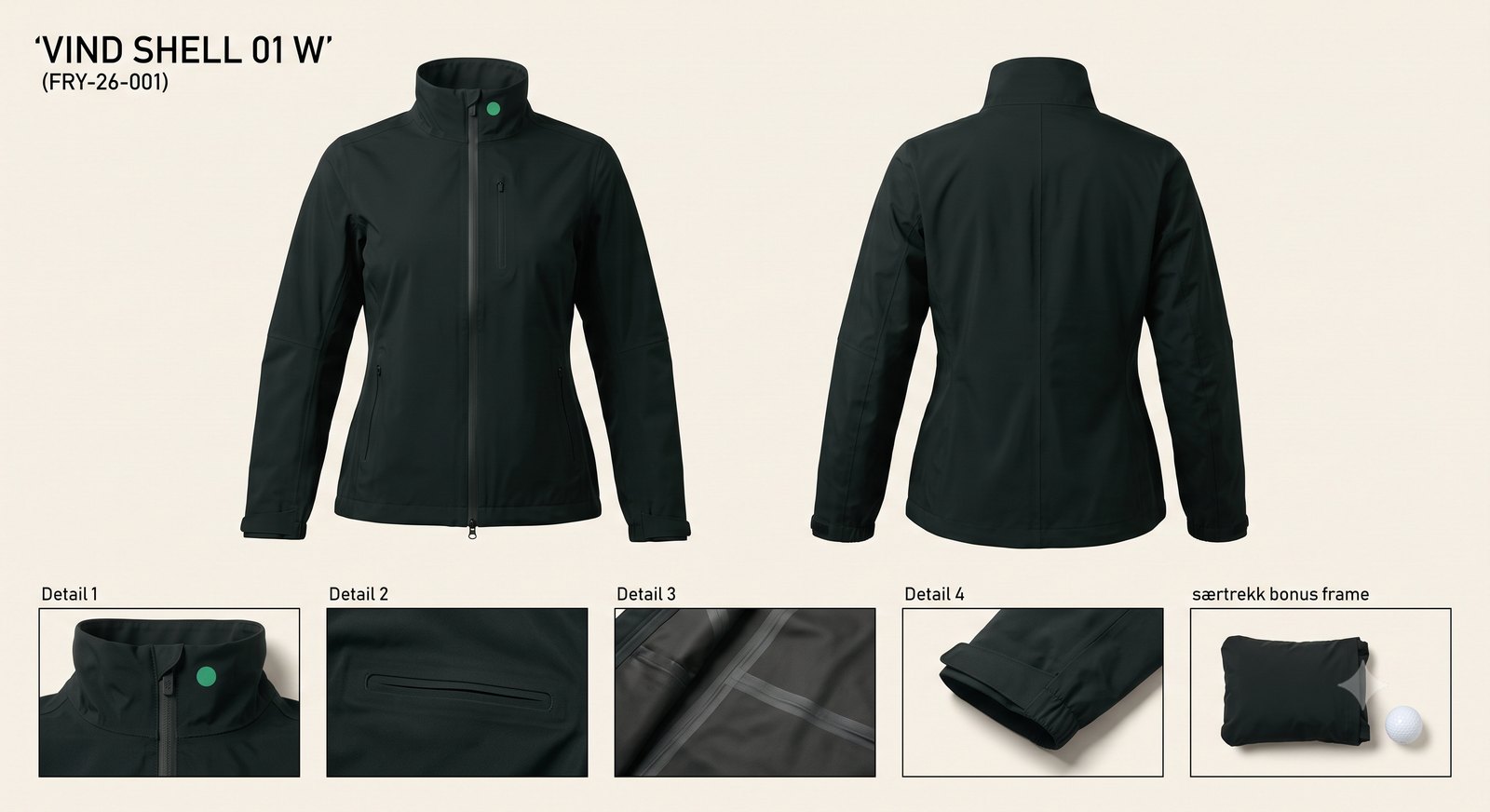
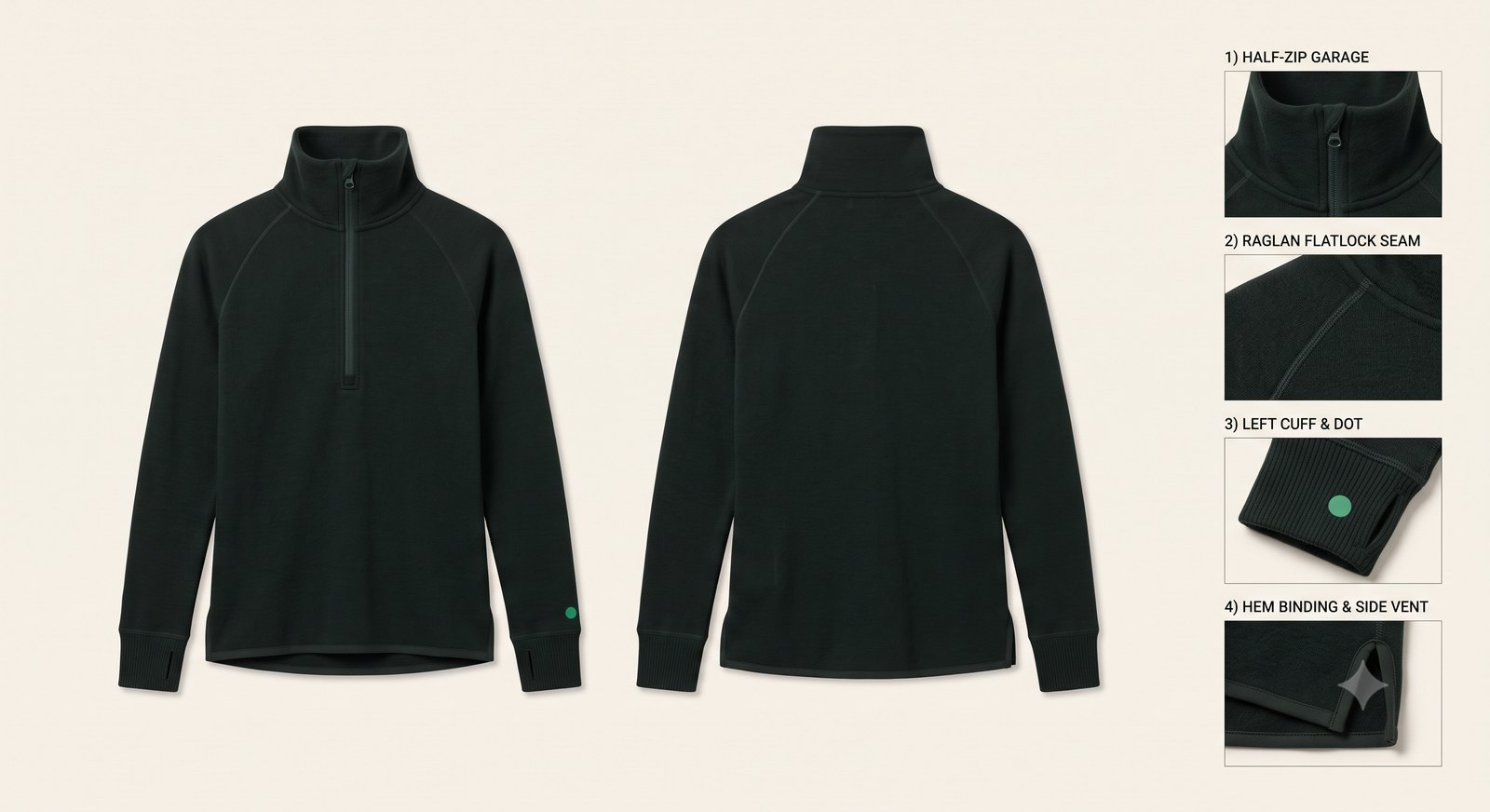
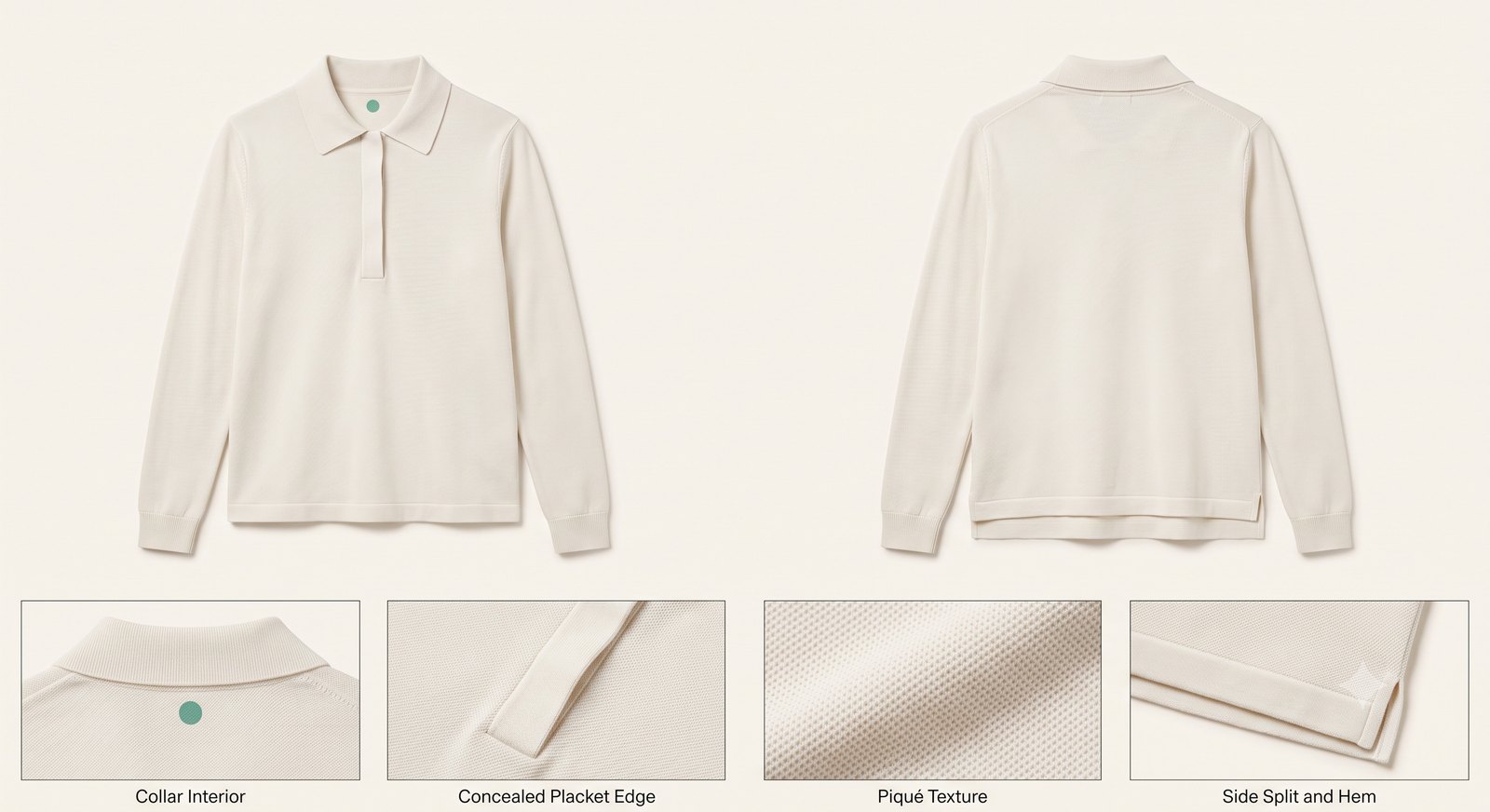
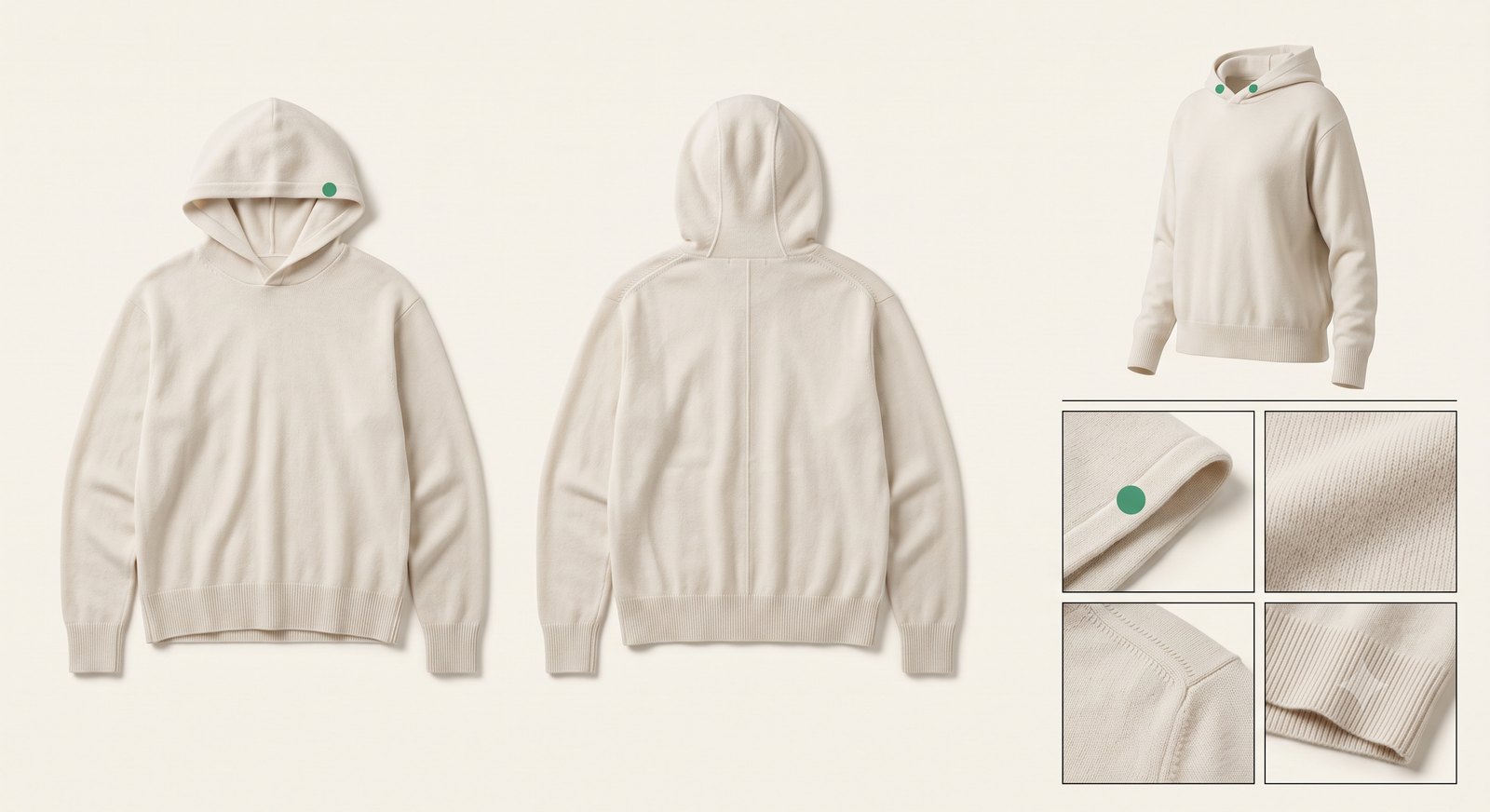
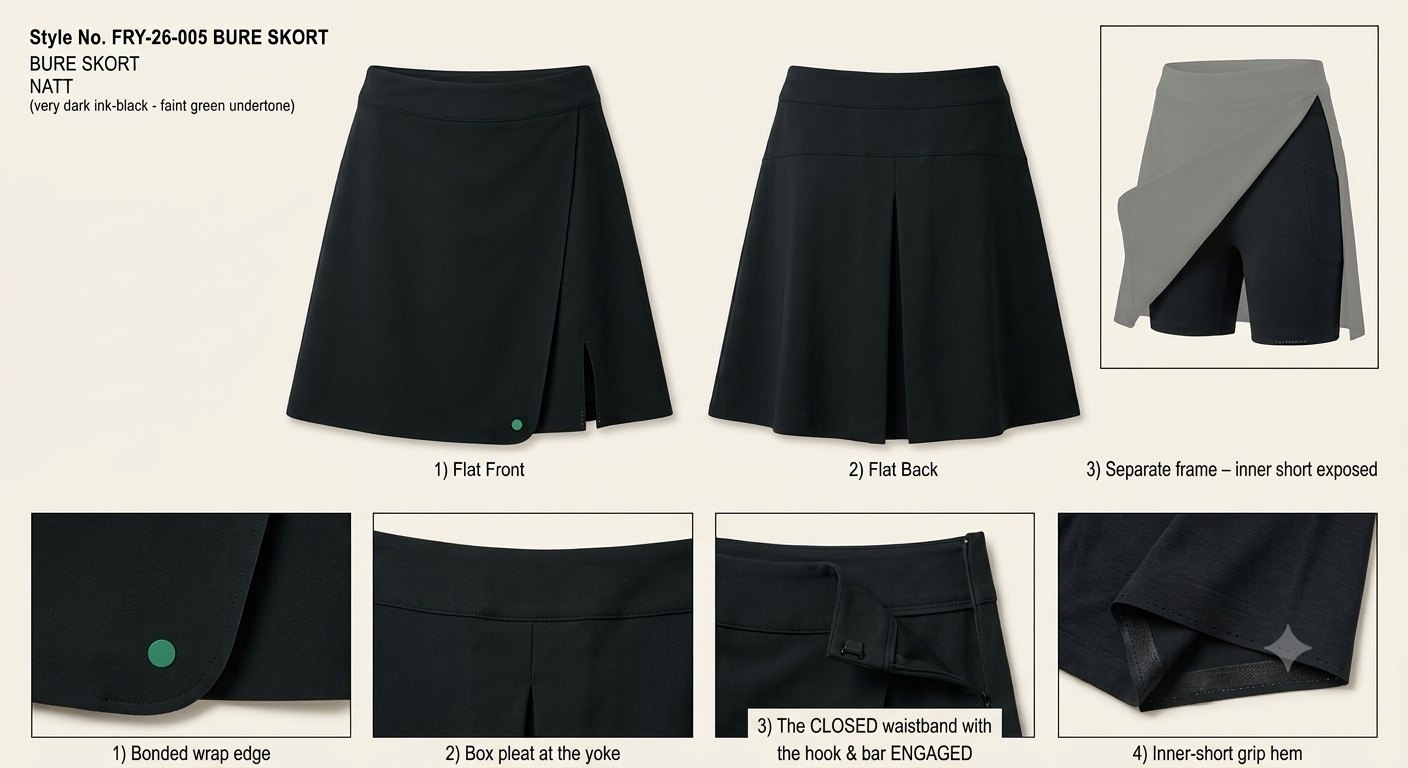
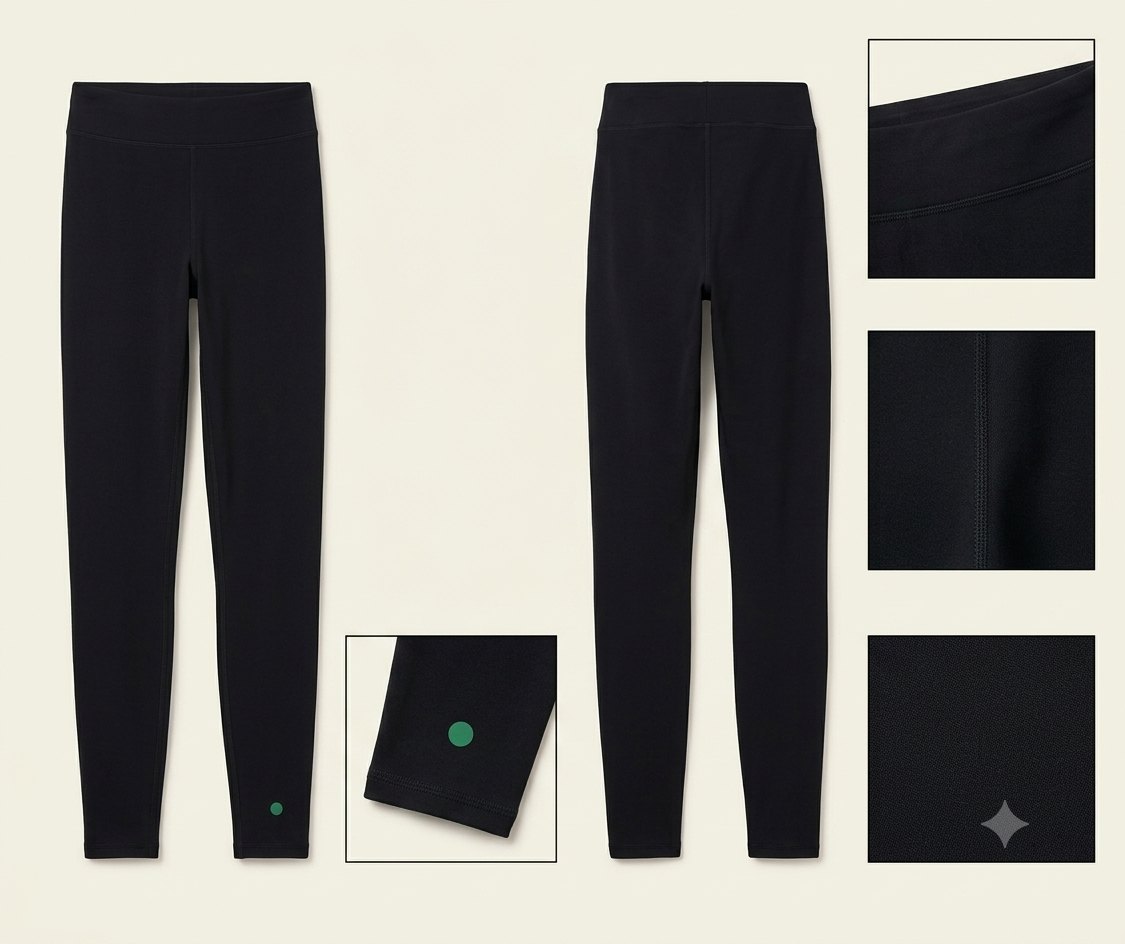
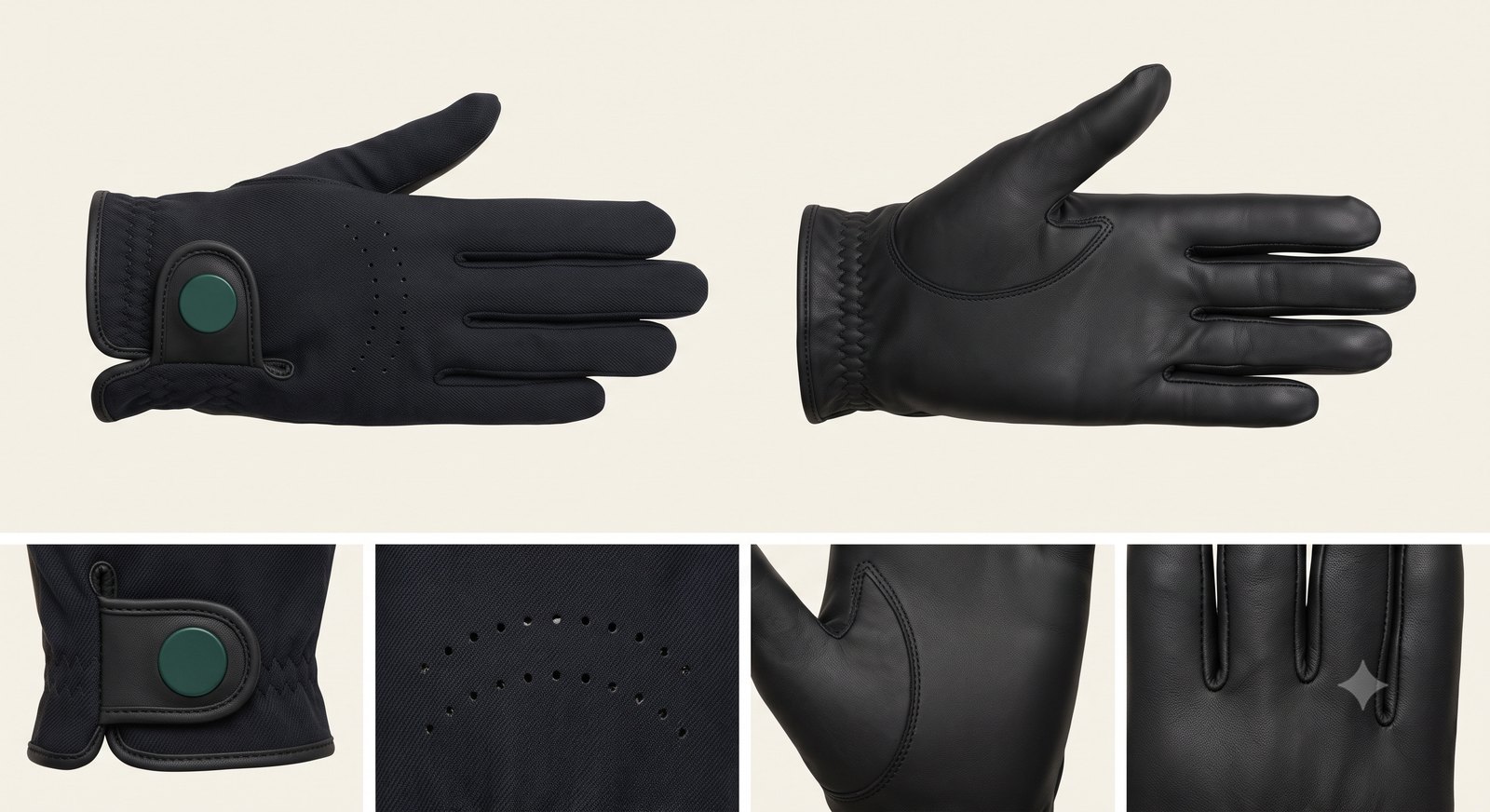
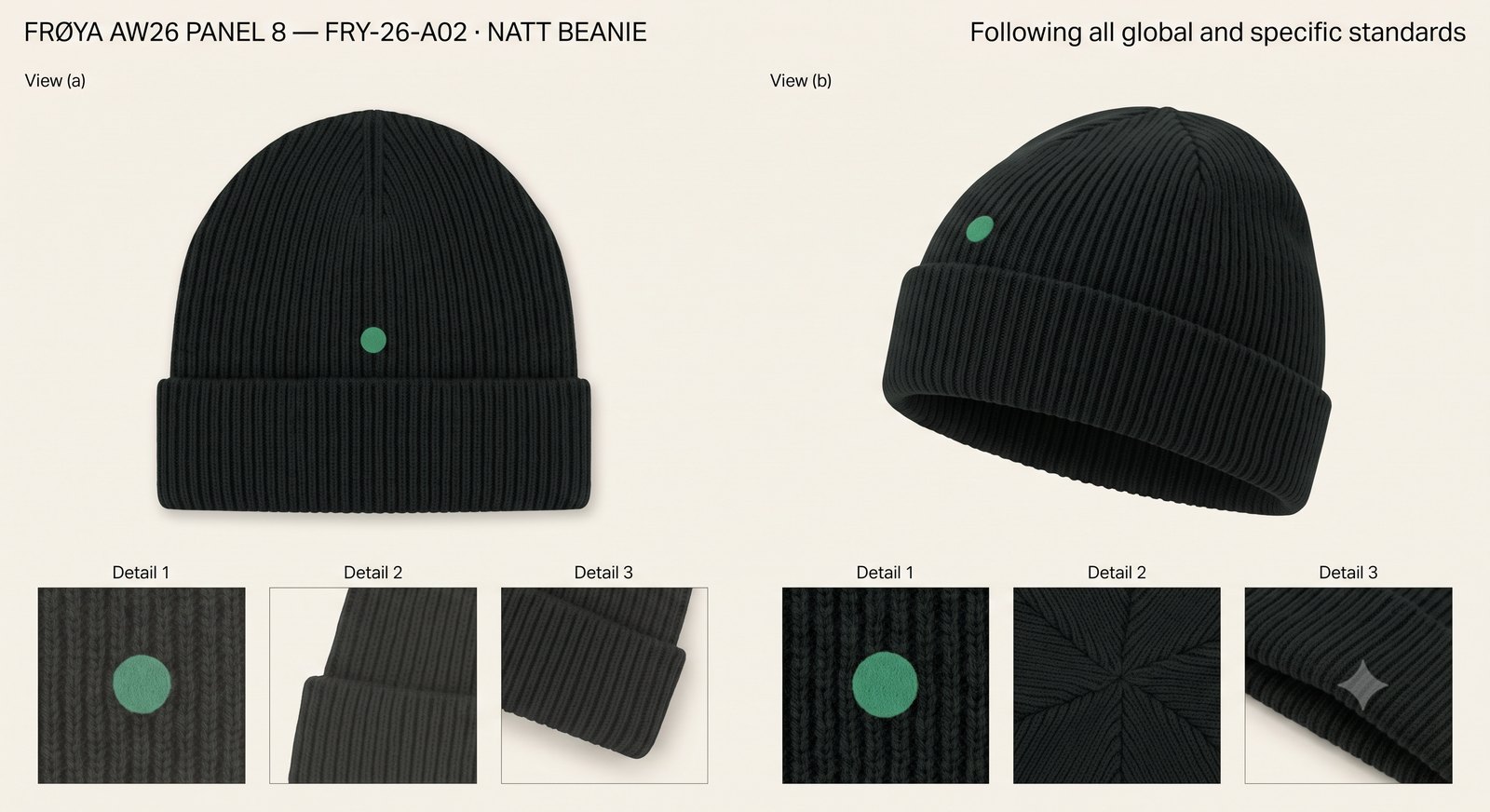
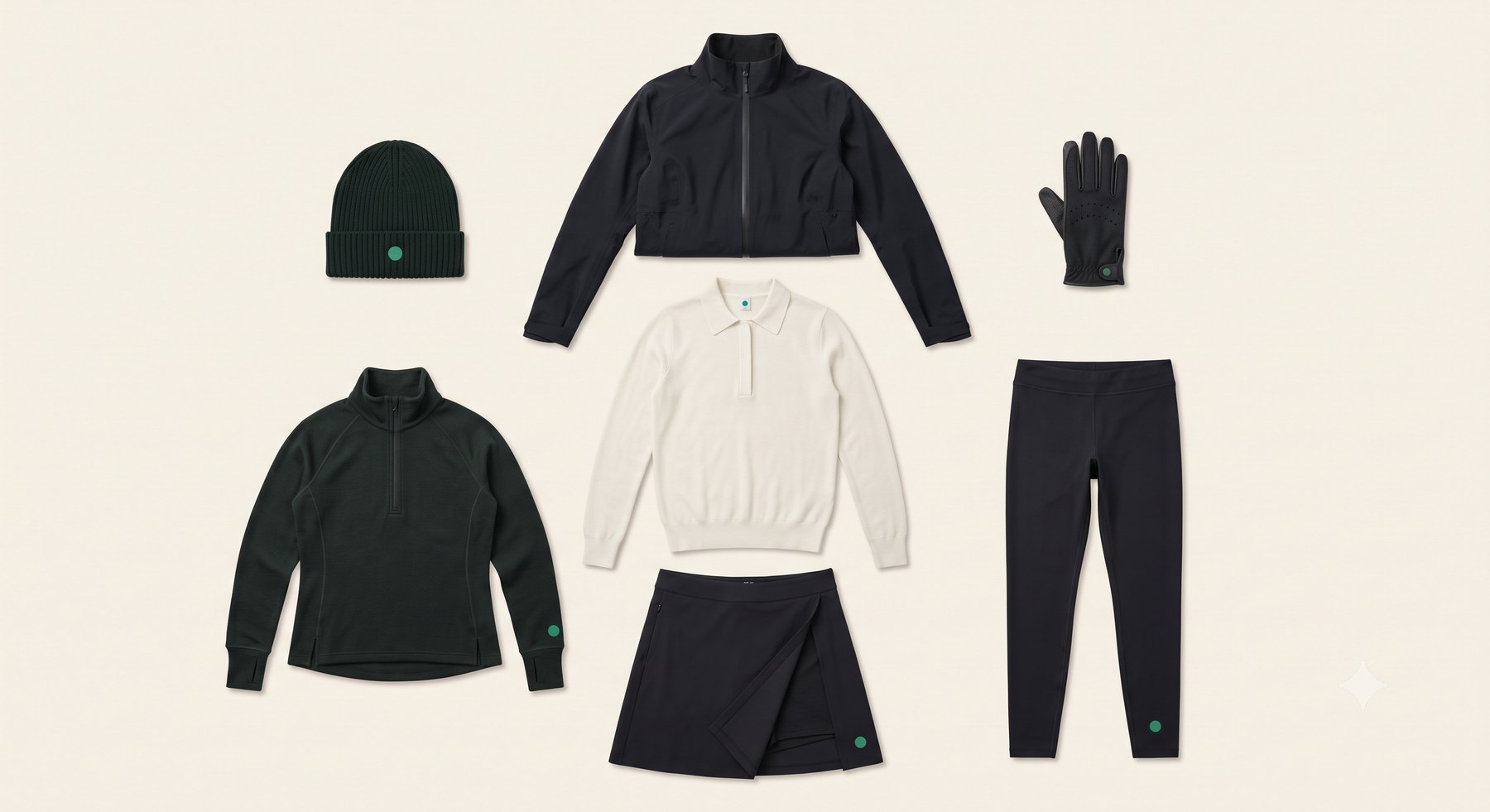
Eight styles, designed as one wardrobe: a welded three-layer shell, a boiled-merino mid-layer, a merino-and-silk polo, a cashmere hood, a bonded skort, a compression tight, a leather glove and a rib beanie. Sizes NO 34–42, graded from a 36 fit model. The whole programme is a single drop.
Kvalitet uansett kostnad: quality no matter the cost
Not a slogan. In FRØYA’s own documents it is written as the purchase order, and it decides what gets bought.
Cloth is bought on micron and test report, never on price. If the white lot is sold out, the style waits a season: second-best bales are someone else’s brand. No commercial substitutions, ever: a lot that misses its number goes back rather than into a marker.
Bonded hems, taped three-layer seams, linked collars, flatlock wherever cloth meets skin. If a seam can be cleaner, the pattern gets re-cut, not the corner.
Built for 59°N: +8 to −2 °C, twelve metres per second off the fjord, rain through fourteen holes. If it only works in the clubhouse, it is not FRØYA.
No logo louder than 8 mm. The palette is tonal, night, deep pine, slate, bone, heather, with the brand green appearing only as that 8 mm point. Stoffet foran logoen: cloth before logo.
Named mills, and a test report per lot
The shell is Toray’s Dermizax® EV in three layers: a recycled ripstop rated 20 000 mm water column and 20 000 g breathability, and the only membrane FRØYA tapes. The knitwear runs on Cariaggi cashmere at 15.5 micron from a white lot, Super 120s merino woven in Biella, and a merino piqué cut with mulberry silk for a collar that still stands after eighteen holes. Hardware is specified by name rather than by category: YKK zips, Bemis seam tape, Gütermann thread, corozo buttons.
Two conditions sit above all of it, written as conditions of purchase rather than as targets: mulesing-free merino, always, and PFAS-free C0 water-repellent chemistry. Every lot ships with its test report, and every finished garment ships with a test card in the pocket.
Eight pieces, worn as one
The AW26 line, from shell to beanie. “Design locked” means the shape is settled; “design in work” means it is still moving: both are marked here rather than smoothed over.
Three hundred wardrobes, numbered, never restocked
AW26 is one drop: 300 numbered wardrobes, numbers 1 to 300, inspected in Oslo and never repeated. Each garment carries a passport with its number: the same idea Europe is about to require of everyone, arriving here because the brand wants it rather than because a regulation forced it. Repair is lifetime, on the house.
Scarcity here is a production decision, not a marketing device. A single run of roughly 315 units per style is what lets every lot be the best available and every unit be inspected. It is also the opposite of how volume clothing is costed, which is the point.
Why this project is documented differently
Everything else on this site is published in full. FRØYA cannot be, and the reason is worth being honest about rather than quietly working around: its technical package is a confidential supplier document, issued under distribution terms to pre-qualified makers only. Patterns, measurement points, construction operations and bills of material stay there. They are not published here and will not be.
What can be published is exactly what is above: the standard, the cloth, the wardrobe and the edition model. The rest of the record follows the same rule as everything else on this site: it appears when it is real, and it says which parts are still decisions rather than facts.
Europe is turning a garment into a record, and some of the dates are already fixed
Not a trend, and not a certification anyone opts into. The passport and the producer fee attach to the individual product; the destruction ban is keyed to company size instead, and the ESPR promises smaller firms tailored support rather than an exemption.
Not an open field. The technical work sits with CEN-CLC/JTC 24, Digital Product Passport: Framework and System, beside CEN/TC 248 for textiles. The pilots are funded: CIRPASS-2, a Digital Europe Programme project running May 2024 to April 2027, demonstrates passports across thirteen lighthouse pilots, textiles one of four target value chains. A small brand will be filling in someone else’s schema, not inventing one.
Minimum order quantity is the gate that comes first
A run’s cost is committed before the first stitch: pattern grading, marker making, sampling, machine setup, dye-lot minimums, screen setup. At a hundred garments those fixed charges dominate; the one worked figure available puts screen setup at $2.40 a piece over 100 units, amortising to $0.30 over 1,000. The arithmetic is not in dispute: the figures quoted for it are. Ranges in circulation run roughly 50–200 units per SKU per colour at low-minimum specialists, 300–1,000 per SKU per colour at mid-range factories, and 1,000–5,000+ at scale factories, with sampling studios and micro-factories taking 20–50 per SKU at a 2–3× per-piece premium. Per SKU and per colour is the part that bites: four sizes in one colourway is four times the quoted floor. All of it traces to one manufacturer’s own published guidance rather than a survey or a filing, and that manufacturer sells the service being costed, closing the same page by inviting a quote. I found no regulator or peer-reviewed measurement of these ranges. Treat the shape as real and every number as a seller’s framing.
Minimums reward fewer styles in larger runs; the passport and the producer fee attach to the individual item. The sector they land on is not built of large firms: the Commission counts a €170 billion turnover in 2023 across an EU textile and clothing sector employing 1.3 million people in 197,000 companies, fewer than seven each on the arithmetic of those two figures. The textiles strategy adds that 1% of clothing material is recycled back into clothing.
Nothing has been produced, costed, or commissioned under Weave, and no maker has been engaged. Three tests decide whether that changes. That a run small enough to fund without pre-orders can be costed with the fixed per-run charges itemised separately, not buried in the per-unit price. That a maker will attest material composition and origin in writing at that volume: a passport is only as good as the line it copies from. And that the record survives the first reorder without being rebuilt by hand. If any fails, this stays a shelf with a name on it.
Clothing is manufacturing at its most personal. A pattern is a blueprint, a fabric choice is a costed BOM line, a production run is a batch with a quality gate. The flagship’s language applies to a garment as naturally as to a machined part: which makes Weave the natural test bed for using the Manufacturing playbook on Moduloa’s own goods.
In development, nothing on sale. The AW26 programme is specified and half the line is design-locked; the maker has not been named. Bulk is targeted for spring 2027 and the drop for December 2027: dates from the programme plan, not achievements. Retail pricing is deliberately not published here.